
The Robert H. N. Ho Family Foundation Buddhism Public Scholars Fellowships in Buddhist Studies places recent recipients of the PhD in professional positions at host institutions (museums, libraries, and publications) that present and interpret knowledge of Buddhist traditions. The selected Buddhism Public Scholars will use their academic knowledge and professional expertise to bolster the capacity of host institutions in the area of Buddhist art and thought in any tradition and location where Buddhism is practiced.
News tags
read more
The Hebrew University of Jerusalem and the University of Haifa
The Asian Sphere: Trans-Cultural Flows Program
An Inter-University and Interdisciplinary Graduate Program
Call for Enrollment of Doctoral Students (2021-22)
The Asian Sphere offers a unique opportunity for outstanding candidates at the PhD level to enroll in an international multidisciplinary inter-university graduate program focusing on the Asian continent.
The Asian Sphere is a joint Israeli program of the Hebrew University and the University of Haifa funded by the Humanities Fund of the Council for Higher Education in Israel and Yad Hanadiv. It is a structured graduate program of excellence that focuses on various aspects of the entire Asian continent as a continuous civilizational zone. It addresses cross-regional contacts and processes among Asian societies, cultures and states, as well as between Asia and other continents throughout history until present time. The program’s courses are taught in English.
Apart from a dynamic and exceptional environment of learning and research, the program offers scholarships for outstanding graduate students. The scholarships for PhD students are of the amount of 60,000 NIS per year for three years.
The Asian Sphere accepts students from different disciplines in the humanities and social sciences, including Asian Studies, Islamic and Middle Eastern Studies, Archaeology, Geography Political Science, International Relations, Cultural Studies, History, Art History, Religious Studies, Philosophy, Anthropology, Sociology, Economics, Media Studies, Gender Studies, and Environmental Studies,. Research topics are open and can deal with past or current societies. The core of the Asian Sphere teaching activity revolves around advanced seminars on trans-regional, trans-continental and trans-cultural themes, mostly taught by two or more internationally renowned scholars. In addition, students who are accepted to the program will participate in a yearly academic retreat, research trips in Israel and abroad, academic conferences and other activities.
For further information, visit our web site: http://asian-sphere.huji.ac.il/
Image

The exhibition will feature 80 striking objects, some of which have never before been seen outside Japan. Key loans announced on Wednesday include a flame pot, a highly decorated type of Jōmon ceramics, its fantastical shape evoking blazing flames. Such pots were produced in Japan for a relative short period, perhaps only a few hundred years.
Image
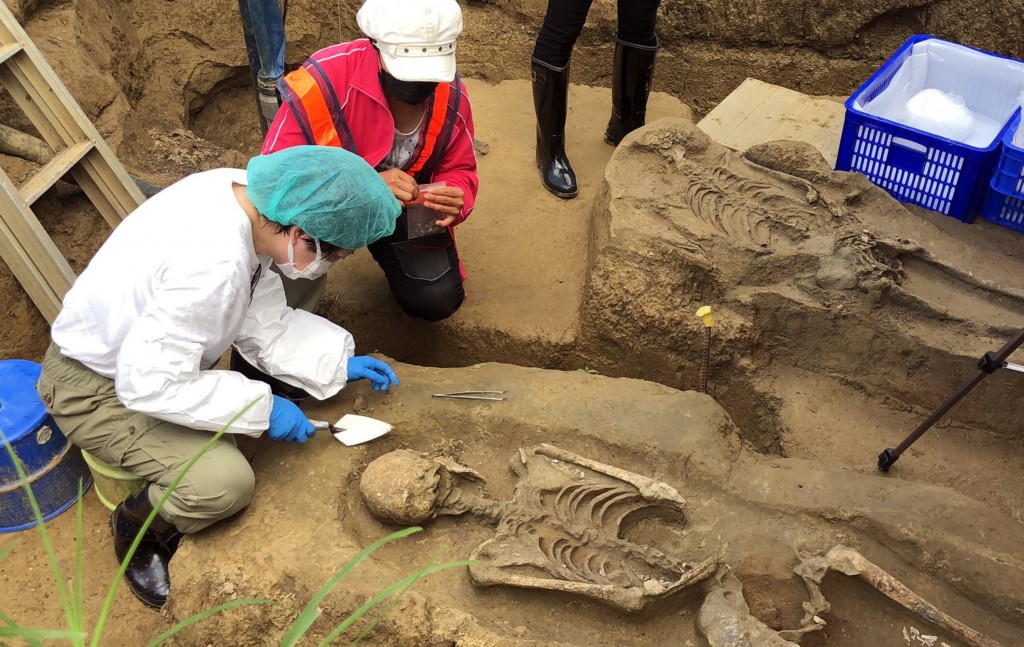
Yen Ting-yu (顏廷伃), who received a PhD from National Taiwan University’s Department of Anthropology and is responsible for the excavation, estimated that the two skeletons date back to the Neolithic period, 2,500 years ago. This site marks a breakthrough in archeology for the Chiayi region, as previously there had not been many findings.
For the full article, please see: https://www.taiwannews.com.tw/en/news/4282330?fbclid=IwAR2XVdvQvSVj-Bz0…
Image
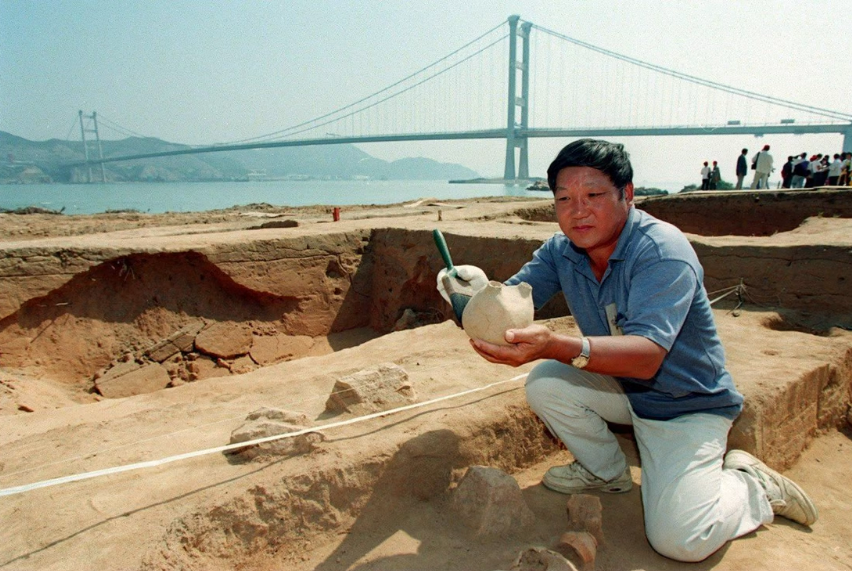
A study published in The Journal of Island and Coastal Archaeology in late February found that a small population of neolithic Hongkongers were highly reliant on fish.
Christina Cheung, a researcher at Vrije Universiteit Brussel in Belgium who wrote the study, said these people were so reliant on seafood that they probably did not rely much on farming for food or hunting land animals.
Image
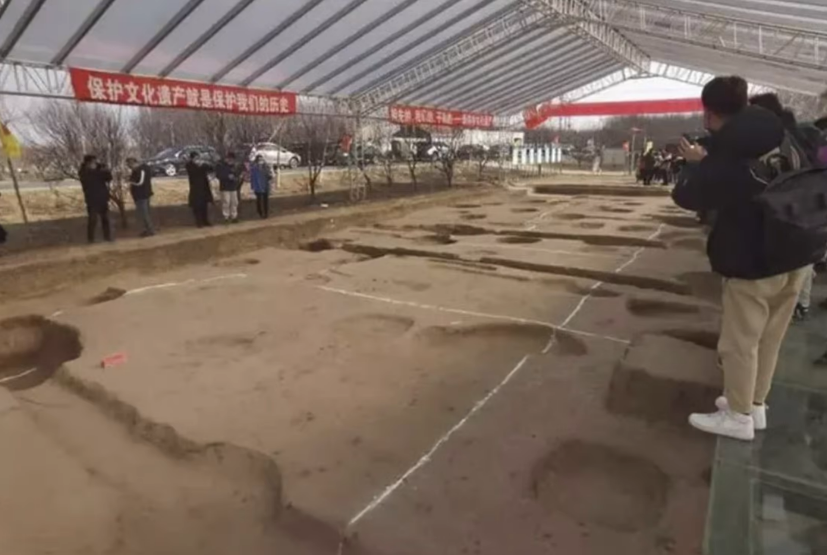
As chaos reigned during the Warring States period (475-221BC), rulers across ancient China turned to intellectuals to find a way out of perpetual war, and the Jixia Academy in the state of Qi stood out for its power to attract the greatest Chinese thinkers of the time.
The institute used to be a place relegated to the historical record; experts believed it probably existed, but little was known about Jixia and there was no definitive proof that it was a real place.
Image
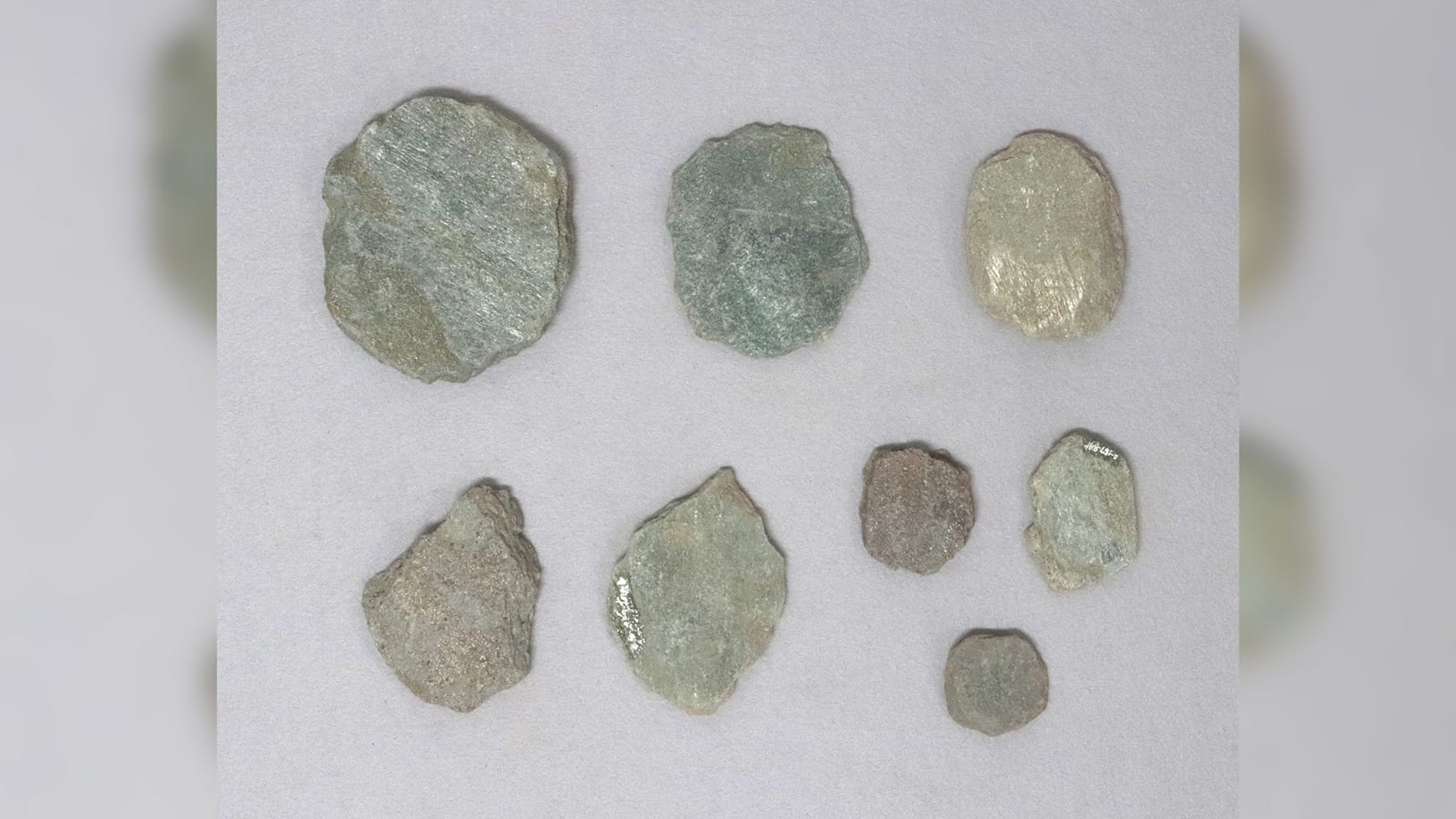
RANZAN, Saitama Prefecture--Artifacts labeled as “groundbreaking discoveries” from the ruins of structures associated with warlord Toyotomi Hideyoshi’s Siege of Odawara in 1590 could have been prototypes of ninja weapons.
Akihiro Iwata, an archaeologist and curator at the Saitama Prefectural Ranzan Historical Museum here, said the flat stones and clay balls may well have been the forerunners of “shuriken” throwing stars and “makibishi” caltrops that later made up ninja arsenals.
Image
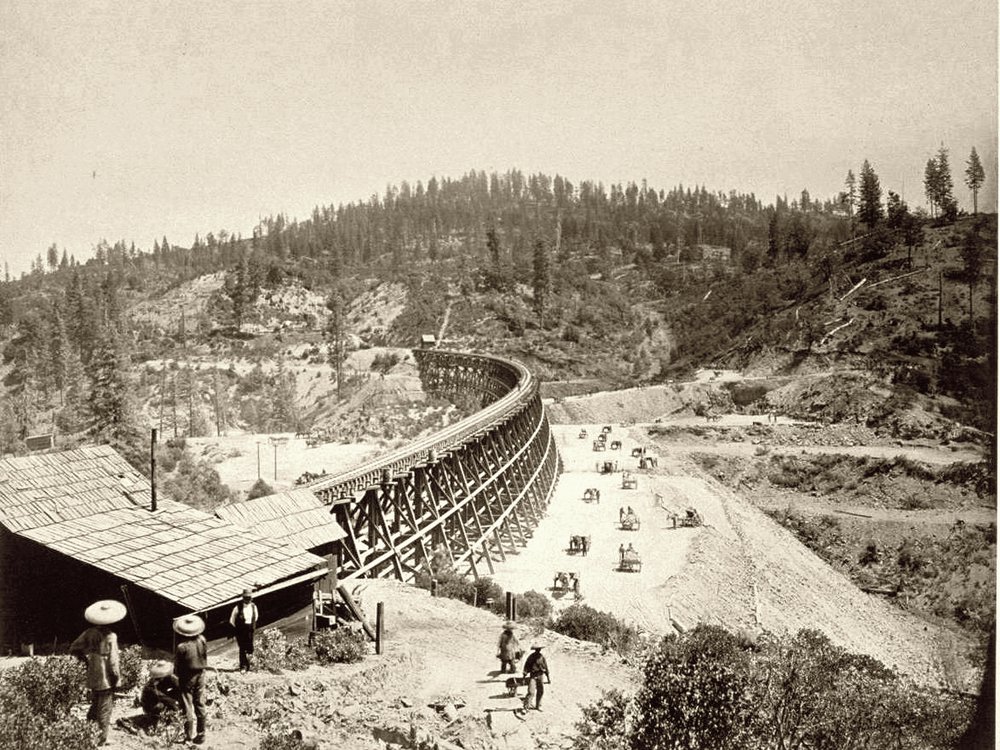
Archaeologists in Utah have unearthed artifacts from a long-abandoned town once populated by Chinese workers who helped build the first transcontinental railroad in the mid-19th century.
Image
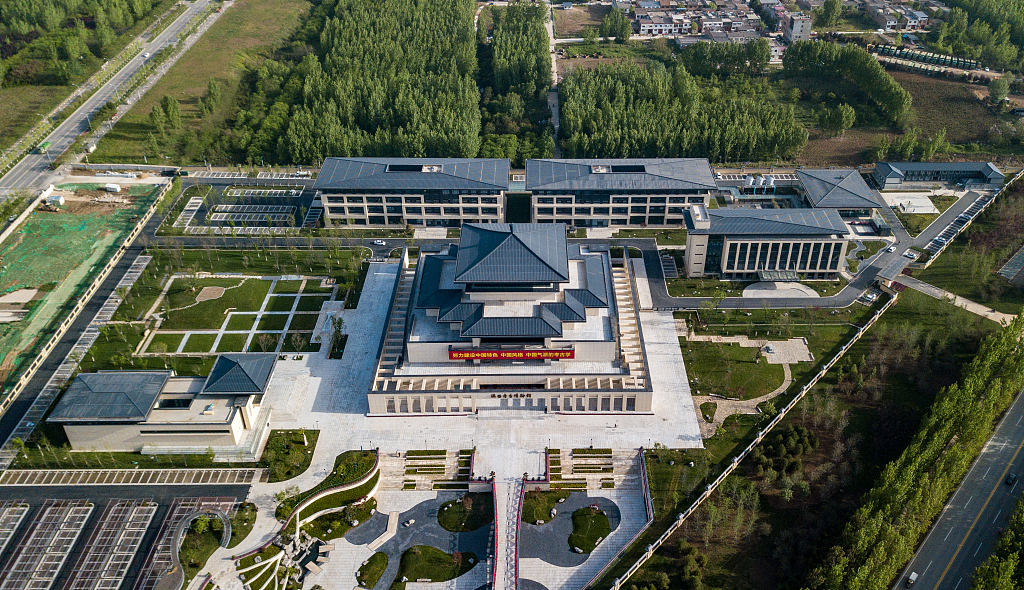
Construction on China's first archaeological museum in the northwestern province of Shaanxi, home to the famous Terracotta Warriors, has been completed and the site will soon welcome its first visitors, according to the Shaanxi Academy of Archaeology.
Image
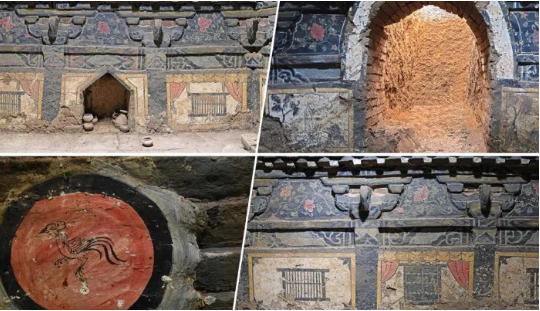
"A high-profile letter sent in October 2021 told us everything we needed to know about the state of modern Chinese archaeology.
Sent by Chinese President Xi Jinping to commemorate the 100th anniversary of the discovery of the Yangshao culture – considered the start of modern Chinese archaeology – the letter called for “developing archaeology with Chinese features, style and ethos” so the field could contribute to “national rejuvenation”.